Knowledge Highlights 9 February 2026


The global shift to a low-carbon economy is well underway. While recent political and economic headwinds may make the path more volatile, the direction remains clear. Renewable energy, led by a solar boom, is the fastest-growing energy source, projected to supply nearly half of global electricity demand by 2030. At the same time, electric vehicle adoption is accelerating rapidly, with electric vehicles reported to account for over one in five new cars sold globally. Beyond shifting energy mixes, the transition will reshape entire economies, trigger significant reallocation of capital, restructure industries, and reconfigure value chains. Potential asset stranding, rising carbon prices, stricter environmental regulations, technological developments, and changing consumer preferences will increasingly push organisations to transform or adapt their business operations.
Such changes in regulations, technology, and market conditions in connection with the transition to a low-carbon economy are known as transition risks. In particular, organisations that operate in carbon-intensive or economically dependent sectors, such as real estate, transportation, industrial, and manufacturing, face the risk of declining asset values and loss of long-term competitiveness. These are now recognised as material financial and legal risks that must be integrated into an organisation’s governance, risk management, and decision-making strategies.
Effective management of transition risks depends on robust policies, processes, as well as control and assurance systems. It is salient for the board of directors and senior management of organisations to establish oversight processes, develop medium- to long-term strategies, and establish appropriate internal control frameworks.
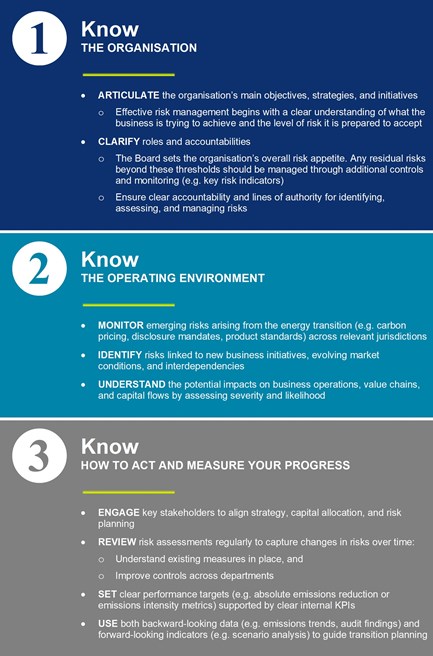
Here are key considerations companies need to know when developing or updating their risk management framework.
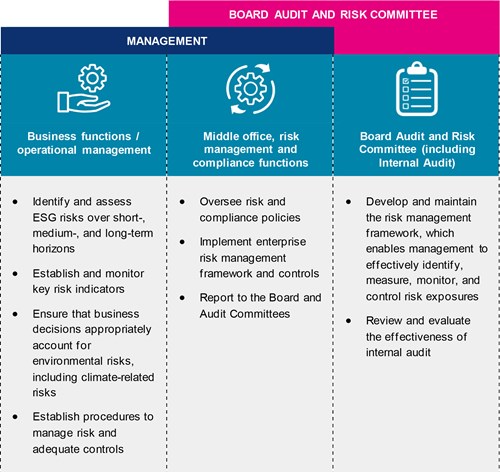
Risk management within an organisation
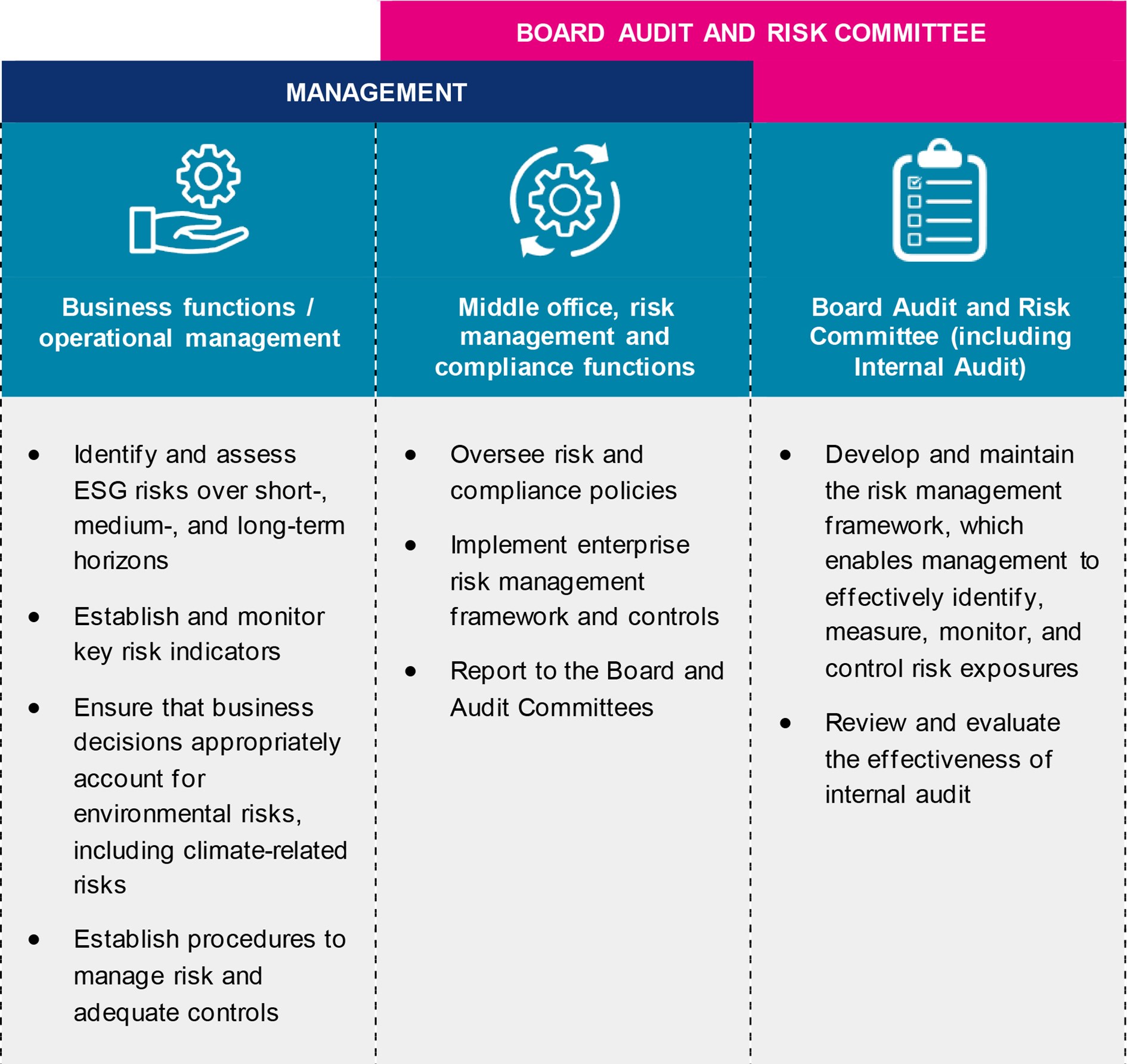
Three key points when companies develop or update their risk management framework
Sustainability Legal Catalyst Programme
Allen & Gledhill is pleased to partner with Enterprise Singapore (“EnterpriseSG”) under the Sustainability Legal Catalyst Programme (“SLCP”). SLCP is an initiative designed to help businesses navigate the evolving legal and regulatory sustainability landscape. As sustainability-related regulations and disclosure requirements continue to grow, businesses must proactively manage legal risks while seizing opportunities in the sustainable economy.
Through this programme, Enterprise Singapore will defray up to 50% of the legal fees for eligible services provided to all Singapore incorporated entities with at least 30% local shareholding during the qualifying period of 1 February 2025 to 31 January 2027, with the incentive capped at S$90,000 per company. As a legal partner in this programme, we are committed to supporting Singapore enterprises by providing legal and regulatory advice across a wide spectrum of sustainability-related matters.